

Building a B2B funnel that converts starts by acknowledging how buyers actually make decisions. To build B2B funnel frameworks that work, you need to stop thinking in rigid stages and start designing around buying behaviors. Instead of forcing prospects through a traditional linear pipeline, match your strategy to the real, research-backed journey modern buyers take.
To effectively build B2B funnel strategies, consider the various stages buyers go through in their decision-making process. Implementing tools and technologies that facilitate the build B2B funnel lifecycle can significantly enhance engagement.
Understand the Real Buying Journey
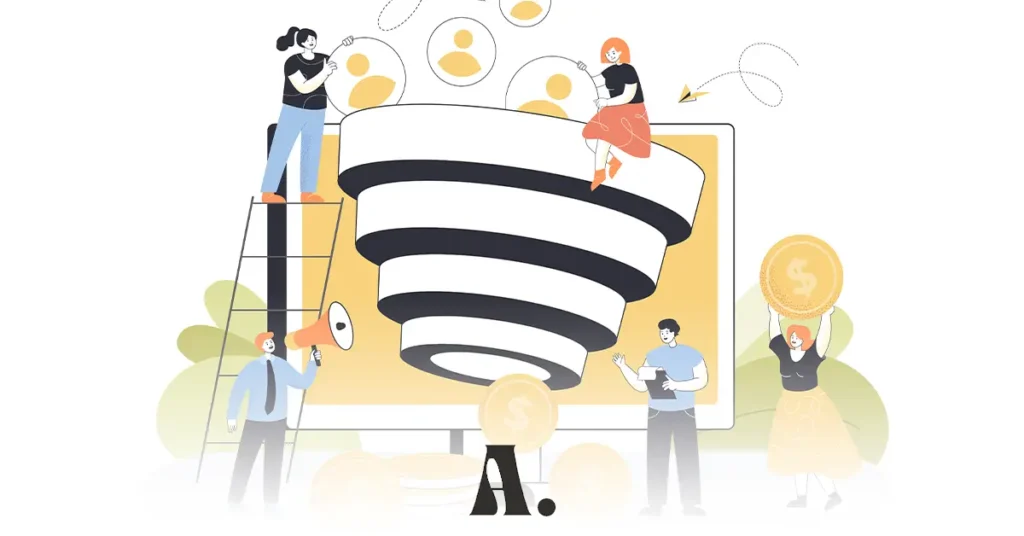
Understanding how to build B2B funnel stages that resonate with your audience is crucial for success.
Today’s B2B buyers follow a looped journey, not a straight line. They juggle jobs like identifying problems, exploring options, setting requirements, and selecting vendors—often bouncing between these tasks. Your funnel should reflect this behavior by mapping content and touchpoints to each job. It’s also important to support both self-service and human-led interactions while leaving room for repeated visits and research loops. This approach reduces friction and aligns with actual buying behavior.
Effective strategies to build B2B funnel often involve integrating marketing and sales to create a seamless customer journey. When you focus on how to build a B2B funnel correctly, you align your efforts with buyer needs and preferences.
Balance Demand Creation and Demand Capture
Your future customers likely aren’t looking to buy today. Following the 95-5 rule, most are out-of-market and need memory cues to remember your brand later. That’s why your funnel strategy should be separated into two clear functions. One side focuses on brand campaigns and thought leadership to create demand, while the other uses SEO and review sites to capture demand from active buyers. Each function should have its own budget, KPIs, and performance expectations to operate effectively.
Align on Buying Groups, Not Just Leads
Instead of focusing on individual leads, start thinking in terms of buying groups. These groups include all the stakeholders involved in a decision, from technical teams to executive sponsors. By using the Forrester B2B Revenue Waterfall model, you can align marketing and sales efforts around shared revenue goals—including new sales, renewals, upsells, and cross-sells. This shift improves forecast accuracy and encourages true alignment across departments.
Orchestrate Hybrid, Omnichannel Experiences
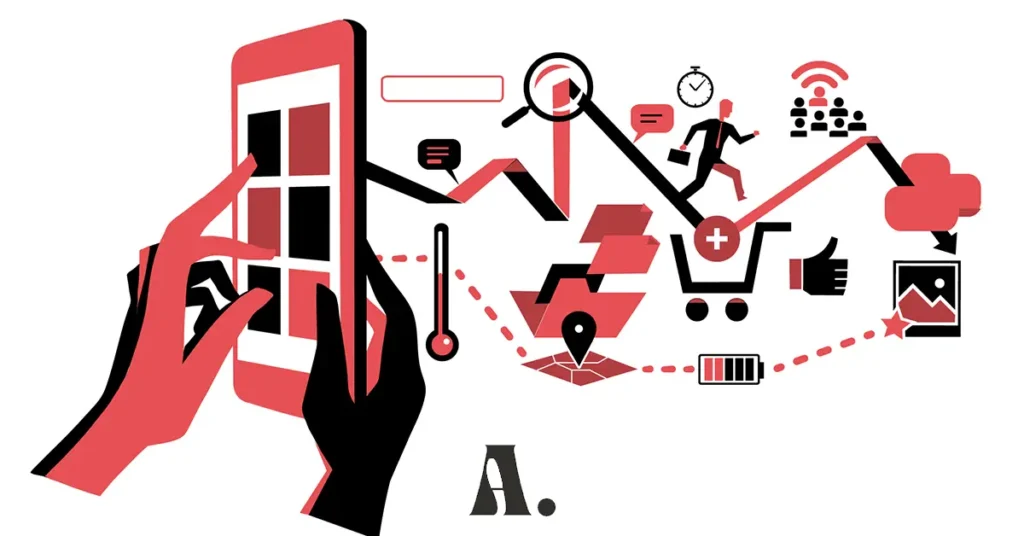
B2B buying happens across multiple platforms and formats. Your job is to ensure buyers can move between them seamlessly. Support every phase of the process with the following things:
- Problem ID with market reports, category insights, and calculators
- Solution Exploration through comparisons, product videos, and demos
- Requirements Building using ROI tools, integration checklists, and security sheets
- Supplier Selection by sharing success stories, pilot plans, and executive summaries
This ensures a connected experience across the funnel.
Choose the Right Funnel Motion
Different go-to-market strategies suit different types of B2B deals. Product-led growth (PLG) strategies use freemium models or trials to attract interest through actual usage. For complex deals involving multiple decision-makers, a sales-led approach works better by allowing direct engagement and risk mitigation. Hybrid models, combining PLG signals with sales outbound and account-based marketing, are increasingly common and provide the flexibility to scale across segments.
Build Funnel Stages Based on Buyer Progress
Instead of sticking to rigid funnel stages, match your stages to how buyers actually progress through decisions. At the top, focus on reach and awareness signals like branded search or content engagement. In the middle, track deeper behaviors such as trial requests or meeting bookings. At the bottom, identify clear purchase intent and align sales plays accordingly. After the sale, track onboarding milestones and usage to support expansion opportunities. This method ensures relevance at every stage.
Track Organizational KPIs That Matter
Vanity metrics won’t help your funnel perform. Instead, monitor actionable KPIs that reflect true progress with the parameters as follows:
- Demand Creation with brand recall, ICP reach, and share of search
- Demand Capture via conversion rates and win rates by job alignment
- Revenue Engine metrics such as stage velocity, multi-threading, and coverage
- Efficiency Metrics like growth, retention, and burn ratio
Tracking these areas delivers a clearer performance picture.
Structure Offers to Reduce Risk
Creating a roadmap that outlines how to build B2B funnel is essential for aligning teams and driving results.
Risk reduction is often what seals enterprise deals. Providing pilots with success criteria, pre-packaged procurement materials, and ROI models can make your offer more attractive. For smaller businesses, faster time-to-value and simple, transparent pricing are essential. Tailor your pricing and offer design to your target audience to improve conversions.
Empower Every Buying Group Role
Don’t rely on one decision-maker. B2B buying now involves larger groups, and each role has different priorities. Prepare materials tailored to economic buyers, technical teams, end users, and legal or security roles. Each should see proof points specific to their concerns—from cost-effectiveness to data protection. This role-based enablement helps build consensus and shortens decision cycles.
Avoid The Common Mistakes
Plenty of B2B funnels stall because of outdated thinking. Overly linear models fail to reflect real buying behavior. Funnels that only focus on capturing demand miss long-term growth opportunities. Channel silos disrupt the buyer’s experience, while relying on a single contact limits your reach. Fix these by mapping to buying jobs, investing in brand memory, supporting omnichannel navigation, and enabling every role in the buying group.
Ultimately, organizations that master how to build B2B funnel will thrive in today’s competitive landscape.
Bottom Line: What Makes a Funnel Convert in 2025?
Design it for how groups buy, not how marketers want them to. Mix brand-building with demand capture, support self-serve alongside expert help, and equip every buying role with the proof they need to say yes.
If you liked the content, you can also take a look at our “Top 9 Free SEO Tools to Boost Your Google Rankings” guide.